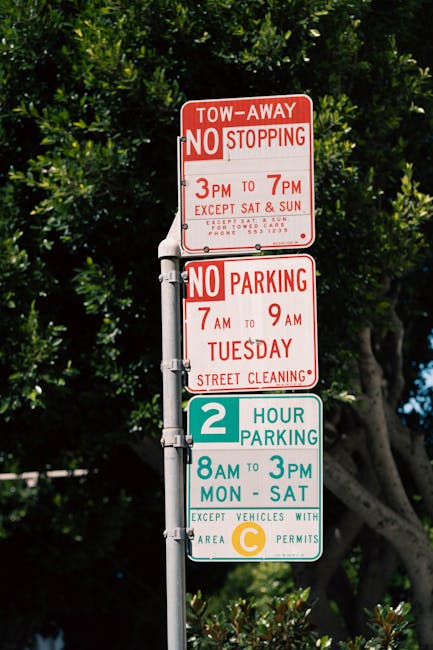
Permit and parking rules for Hammersmith removals: a practical guide for a smoother moving day
Moving in Hammersmith can be straightforward on paper and a bit more awkward on the pavement. The streets are busy, parking can be tight, and one wrong assumption about loading space can turn an otherwise tidy move into a slow, frustrating morning. That is why understanding Permit and parking rules for Hammersmith removals matters before the van arrives. It is not just about avoiding a fine. It is about protecting your schedule, reducing stress, and making sure the job starts properly.
In this guide, we break down how parking and permits usually work for local moves, what to check before moving day, and how to avoid the little problems that become big ones at 8:30 a.m. with boxes stacked in the hallway. You will also find a step-by-step plan, a practical checklist, and a realistic example of how things can play out in Hammersmith. Let's keep it simple and useful.
Why Permit and parking rules for Hammersmith removals Matters
Parking is one of those things you only notice when it goes wrong. In Hammersmith, that can mean your removal van arriving on time but having nowhere legal, safe, or workable to stop. A move depends on the van being able to park close enough to load and unload efficiently. If the vehicle has to circle the block, double-park, or stop far from the property, the whole operation slows down. Sometimes by a little. Sometimes by a lot.
For flat moves especially, the difference between a smooth transfer and a long slog can come down to a few metres. That short stretch from front door to van matters. It affects how many trips the crew makes, how safely heavy furniture is handled, and whether the move stays within the planned time window. A sofa carried from a third-floor flat to a van across the road is a very different story from one parked directly outside, to be fair.
It also matters because parking restrictions in London are not something you can "wing." Yellow lines, permit bays, loading restrictions, timed controls, resident-only bays, and local enforcement all create a patchwork of rules. If you guess, you may get away with it. Or you may not. And nobody wants a moving day to begin with a ticket stuck to the windscreen while the kettle is still in a box.
There is another layer too: timing. Hammersmith roads can be busy at school drop-off, during commuter peaks, and around local commercial areas. What looks free at 10:30 may be fully occupied by noon. Planning for parking is therefore not just a legal issue; it is a logistics issue, a safety issue, and a cost-control issue.
Expert summary: The best moves in Hammersmith are usually the ones where parking is planned before the boxes are packed. If the van can stop legally and close to the entrance, everything else tends to run better: loading, safety, timing, and the mood of everyone involved.
How Permit and parking rules for Hammersmith removals Works
At a practical level, permit and parking planning for a removal means identifying where the van can stop, for how long, and under what conditions. The exact rule set depends on the street, the type of parking bay, the time of day, and any local restrictions in force. Some locations allow loading for a short period. Others need a parking permit or formal booking. In busier parts of the borough, you may need to plan more carefully than you would for a suburban house move.
There are usually three moving parts:
- The property side: How easy is it to get items out of the building? Think steps, narrow halls, lifts, and front-door access.
- The road side: Can the vehicle stop legally close to the property, and for long enough to load or unload?
- The timing side: Is the move happening at a peak traffic time, during a restricted window, or when bays are already busy?
For many local moves, the sensible approach is to treat parking as part of the move plan rather than an afterthought. If your removal company can park directly outside, great. If not, there may be a nearby loading place, a pay-and-display bay, or a permit-based arrangement that needs sorting in advance. Some streets are more forgiving than they look. Others are a trap waiting to happen. Hammersmith has both, depending on the road and the hour.
Here is the important bit: the move should be planned around the parking conditions, not the other way round. That means checking address details, nearby restrictions, access points, and the size of the vehicle. A larger removal van may need more space than a smaller vehicle, and that can change what is realistic on the day.
For apartments, the rules often become even more practical than legal. Is there a concierge? A time limit on the service lift? A shared driveway? A narrow residential street where another car can block access in seconds? These details matter more than people expect. They are not glamorous, but they decide whether the day feels organised or slightly chaotic.
Key Benefits and Practical Advantages
Getting parking and permit planning right gives you more than peace of mind. It creates momentum on moving day. Once the van is properly positioned, the team can work efficiently, and that usually means less waiting around, fewer interruptions, and a lower risk of rushed handling.
- Less delay: No wasted time searching for a legal spot while the crew and boxes wait.
- Better safety: Shorter carrying distances reduce strain and reduce the chance of bumps, scrapes, or awkward lifts.
- Lower stress: You are not making last-minute calls while juggling keys, paperwork, and a door stop.
- Cleaner logistics: A predictable loading point keeps the move structured.
- Potential cost savings: Fewer delays and less idle time can help keep the overall job more efficient.
There is also a quieter benefit that often gets overlooked: confidence. When you have parking sorted, the whole move feels more controlled. You will notice the difference the moment the first box comes out and there is a clear plan, not a vague hope. In our experience, that alone changes the tone of the day.
If you are moving a full household, the benefits compound quickly. A short load-in route may shave minutes off each trip, but over twenty or thirty trips, that becomes real time. For office removals, the gains can be even more noticeable because teams, equipment, and schedules all have to line up neatly. A move that starts with no parking plan tends to spend the rest of the day catching up.
Who This Is For and When It Makes Sense
This guidance is useful for almost anyone moving in or around Hammersmith, but some situations need it more than others. If your property is on a busy road, in a controlled parking zone, near a school, or on a street with limited stopping space, you should treat parking as a priority from the start. Truth be told, that is most of central and inner west London.
You will benefit from planning if you are:
- moving from a flat or maisonette with limited access
- moving into or out of a street with resident permit bays
- using a larger vehicle that needs clear kerbside space
- moving at a busy time of day
- coordinating with concierge, building management, or neighbours
- arranging an office move where timing is tight
- trying to keep the move as quick and tidy as possible
It also makes sense if you are trying to compare removal options. Some moves only need a small van and a simple stopping arrangement. Others benefit from a full-service setup, especially where furniture dismantling, packing, or storage is involved. If you are considering a broader move package, it can help to look at removal services and decide how much support you really need.
For tenants, this is often about avoiding hassle with the building or landlord. For homeowners, it is more about protecting the schedule and keeping the day tidy. For businesses, parking planning can directly affect productivity, especially if you need to move stock, archive boxes, IT equipment, or desks without disrupting operations. Different job, same lesson: sort the vehicle's place to stand, and the rest becomes easier.
Step-by-Step Guidance
If you want a straightforward way to handle permit and parking planning, use the sequence below. It is simple enough, but it does work.
- Check the exact address and street layout. Look at where the front door is, where the van can physically stop, and whether there is any obvious loading space nearby.
- Identify parking restrictions. Note resident bays, single yellow lines, double yellow lines, loading bays, time limits, and any signposted conditions. Do not assume a bay is usable just because it looks empty.
- Work out the vehicle size. A smaller vehicle may fit into a tighter space. A larger van may need more room, especially if doors need to swing open safely.
- Decide whether a permit or booking is needed. In some cases the move may be fine with a nearby legal space; in others, a formal arrangement is safer and more reliable.
- Build in buffer time. London traffic can be unpredictable, and parking can take longer than expected. Add slack rather than trying to run the job to the minute.
- Tell everyone involved. Make sure the moving team, building contact, and anyone helping on the day knows the plan.
- Prepare the property. Clear hallways, reserve lift time if needed, and make sure items are packed and labelled so the loading window is used properly.
A small but useful detail: check the route from property to van, not just the parking bay itself. Sometimes the real issue is a narrow pavement, a steep step, or a gate that stays open only if someone is holding it. Little things, big difference.
If you are using professional help, ask how they handle local access challenges. A good team should be able to tell you what they need from you before moving day. That may include building instructions, parking notes, or the best arrival window. A quick conversation now can save a lot of pacing around later.
Expert Tips for Better Results
After enough moves, you notice the same patterns. The jobs that run well are rarely the ones where everything was left to chance. They are the ones where someone thought one step ahead.
- Plan for the worst reasonable parking option, not the best one. If the ideal space is already occupied when the van arrives, what is Plan B?
- Keep building access simple. Doors propped open safely, lifts booked, and pathways clear save more time than people expect.
- Move smaller items first if needed. In some tight streets, a quick first load of light boxes can reduce pressure while the larger furniture is prepared.
- Avoid peak stress windows if you can. Early starts are often calmer, and the street is usually less congested.
- Use a visual check the day before. A quick walk outside with your phone camera can help you remember where restrictions, dropped kerbs, or awkward corners are.
- Have a contact number ready. If the team needs to reach you while you are inside, they should not be guessing.
One more thing: do not overcomplicate the plan. Sometimes people spend too long searching for the perfect arrangement and miss a perfectly workable one. Practical beats perfect. Every time, pretty much.
If you are moving out of a flat, speak to neighbours politely if access might be tight. A friendly heads-up can reduce friction. It sounds old-fashioned, but a quick, courteous word often helps more than you would think.
Common Mistakes to Avoid
Parking mistakes are usually not dramatic on their own. It is the chain reaction that causes trouble. A missed sign leads to a wrong stop, which leads to a delay, which leads to rushed lifting, which leads to everyone looking a bit fed up by lunchtime. The good news? Most of these mistakes are avoidable.
- Assuming an empty bay is available. It may be reserved, time-restricted, or already allocated to someone else.
- Ignoring the size of the van. A move that works with a small vehicle may fail with a longer one.
- Not checking the time restrictions. The bay may be legal for only part of the day.
- Leaving permit questions until the last minute. That is when simple problems start to feel urgent.
- Forgetting building access details. If you need a lift, buzzer code, or loading dock access, make sure it is ready.
- Overloading the schedule. When parking is tight, a tightly packed timetable becomes fragile.
There is also the hidden mistake of not communicating clearly. If the driver expects one road and the resident expects another, somebody loses time. Probably both. A short written summary helps: address, best access point, restrictions, contact name, and any timing note.
And yes, the classic one: "We'll just find somewhere." Sometimes that works. Often it does not. It is not a strategy, really. It is optimism with wheels.
Tools, Resources and Recommendations
You do not need a complicated toolkit to plan a removal properly, but a few simple resources make life easier.
- Street view or map checks: Useful for spotting likely access issues before you arrive.
- Phone photos: Handy for showing the moving team exactly where the bay, entrance, or obstacle is.
- A written move sheet: Include the address, floor level, lift access, parking notes, and contact details.
- Inventory list: Helps match the size of the job to the vehicle and the time window.
- Building management instructions: Especially useful for flats, gated sites, and managed blocks.
On the service side, it helps to choose a removal option that fits the access conditions rather than trying to force the wrong setup. For example, a smaller local move may suit a man and van arrangement, while a larger household move may be better served by a more structured approach such as house removals. If you are moving from or into a flat, the specifics of flat removals are especially worth considering because access often drives the whole day.
For readers who want more local background on how councils, streets, and access can affect removals in this part of London, the article on Hammersmith and Fulham council rules for local removals is a helpful companion piece. It sits nicely alongside the practical advice here.
Law, Compliance, Standards, or Best Practice
Parking and loading rules are not something to treat casually. Local road signs, permit conditions, and enforcement practices all matter. While every street can differ, the general best practice is straightforward: only park where stopping is permitted, respect time limits, and do not assume loading activity automatically overrides every restriction. It usually does not.
If a move involves commercial premises, shared access, or a controlled environment, the need for clear planning becomes even more important. That is why good removal planning usually includes safe handling, clear access, and responsible vehicle positioning. If you are moving sensitive items or a business site, you may also want to consider the wider operational side of the move and look at office removals or commercial moves where relevant.
Best practice also includes keeping the move safe for pedestrians, neighbours, and the team doing the lifting. A van parked awkwardly across a pavement creates avoidable risk. So does leaving doors open where they block the route. Safety and compliance tend to go together here. Quietly, but firmly.
Where uncertainty exists, the safest approach is to verify the address conditions in advance rather than improvising on the day. That is especially true for streets with narrow carriageways, bays used by residents, or locations where other road users may be affected by loading activity. A calm, cautious approach is not overkill. It is good practice.
Options, Methods, or Comparison Table
Not every move in Hammersmith needs the same approach. The right method depends on the property, the street, and how much is being moved. Here is a simple comparison to help you think it through.
| Option | Best for | Pros | Watch-outs |
|---|---|---|---|
| Street parking near the property | Shorter moves with easy access | Fast loading, minimal carrying distance | May be unavailable or restricted |
| Permit or arranged loading space | Busy streets and planned removals | More predictable, reduces access risk | Needs advance planning and confirmation |
| Nearby legal bay with extra carry distance | Lower-pressure moves or smaller loads | Often easier to source | Slower, more manual effort |
| Smaller vehicle for tighter streets | Limited access areas | Can fit where larger vans cannot | May need more trips |
For some households, the best answer is simply a well-timed smaller vehicle and a clear plan. For others, especially where stair access or heavy furniture is involved, a more robust setup is worth the extra thought. The main thing is matching the method to the reality of the street, not the fantasy version in your head.
Case Study or Real-World Example
Picture a family moving from a second-floor flat near a busy Hammersmith road on a weekday morning. The property itself is fine: decent stairs, manageable furniture, boxes packed the night before. The weak point is parking. The street has mixed restrictions, and a large van could not simply sit outside without causing problems.
Instead of hoping for the best, the team checked access the day before, identified a workable stopping point a short distance away, and arranged the loading sequence around that reality. Light boxes went first. Larger furniture followed once the route was clear. The sofa came out in one piece, which is always a nice moment, and nobody had to do the awkward "we'll just hold this here while I move the car" dance.
The move still took effort. Of course it did. But because the parking was planned, the crew did not waste time searching for space, and the family did not feel the day slipping away before it had properly started. That is the difference in a nutshell. Not perfect. Just properly planned.
A second, smaller lesson from the example: the street was not the problem by itself. The problem would have been not preparing for it. That distinction matters.
Practical Checklist
Use this checklist before moving day. It is simple, but it catches the usual trouble spots.
- Confirm the full moving address and postcode
- Check for parking restrictions on the street
- Identify the best legal place for the van to stop
- Note whether the vehicle size changes the plan
- Confirm lift, stair, or access arrangements
- Tell the moving team about any building rules
- Keep contact details handy for the day
- Prepare boxes and furniture so loading is efficient
- Allow buffer time for traffic and parking delays
- Walk the route from entrance to van the day before if possible
If you want a broader view of service options while you plan, pages such as home moves, removal companies, and pricing and quotes can help you compare what feels right for your situation.
Conclusion
Permit and parking rules for Hammersmith removals are not glamorous, but they are one of the biggest practical factors in how a move feels. Get them right and the day tends to run with less friction, fewer pauses, and far less pressure. Get them wrong and even a well-packed move can start to wobble. That is the honest truth.
The good news is that most parking issues can be managed with a bit of early checking, a sensible vehicle choice, and clear communication. If you are moving within Hammersmith, especially from a flat or a busy street, treating parking as part of the move plan is one of the smartest things you can do. Calm preparation beats last-minute scrambling, every time.
Get a free quote today and see how much you can save.
And if you are still unsure, that is fine too. A good move is usually built on small, careful decisions, not big dramatic ones. Take the time to plan it well, and the rest has a much better chance of falling into place.
Frequently Asked Questions
Do I need a permit for removals in Hammersmith?
It depends on the street, the bay type, and the time of day. Some moves can be done using a legal loading space or an unrestricted spot nearby, while others benefit from a permit or advance arrangement. The safest approach is to check the exact address rather than assume.
Can a removal van stop on yellow lines while I load?
Not automatically. Loading rules can be more nuanced than people expect, and restrictions vary by location and signposting. Do not rely on guesswork. Check the local conditions for the specific street and time window.
What happens if there is nowhere to park on moving day?
You may lose time while the driver finds a legal alternative, and the loading process can become slower and more tiring. In a busy area like Hammersmith, that can affect the whole schedule. That is why a backup plan matters.
How far in advance should I sort parking for a move?
As early as possible. If your move is in a busy street, a flat, or a controlled parking area, parking should be reviewed before the packing rush begins. A quick check a few days ahead can save a lot of stress later.
Is it better to use a smaller van in Hammersmith?
Sometimes, yes. A smaller van can fit into tighter spaces and may be easier to position close to the property. The trade-off is that it may require more trips. The right choice depends on the access and the volume of items.
What should I tell the removal team about parking?
Tell them the full address, any obvious restrictions, the best access point, whether a lift or stair route is involved, and any building rules that could affect timing. Clear information helps them plan properly and avoid surprises.
Are flat removals harder because of parking?
Often they are, yes. Flat moves can involve tighter access, shared entrances, lifts, and less kerbside space. That does not mean the move will be difficult, only that parking and access planning matter more.
Can office removals in Hammersmith use the same parking plan as house moves?
Not usually. Office removals can involve different timing, larger volumes of equipment, and stricter access needs. The parking plan should match the type of property and the items being moved.
What is the biggest mistake people make with parking on moving day?
The biggest mistake is assuming parking will sort itself out. It sounds harmless, but that habit causes most delays. Parking should be checked and planned as part of the move, not left until the van turns up.
How can I make loading quicker once the van is parked?
Keep hallways clear, have boxes labelled, protect fragile items, and make sure the route from door to van is not blocked. When people are waiting around with furniture in hand, every small improvement helps. Small things count.
Do late-evening removals have different parking considerations?
Yes, they can. Traffic patterns, bay availability, and local restrictions may feel very different later in the day. If your move is scheduled for the evening, it is worth checking access carefully and allowing extra time. A useful related guide is late-evening removals in Hammersmith.
Where can I read more about local access problems?
If you want a deeper look at common issues like tight streets, parking pressure, and awkward building access, the article on common access problems for Hammersmith removals and solutions is a helpful next read.