Common access problems for Hammersmith removals and solutions
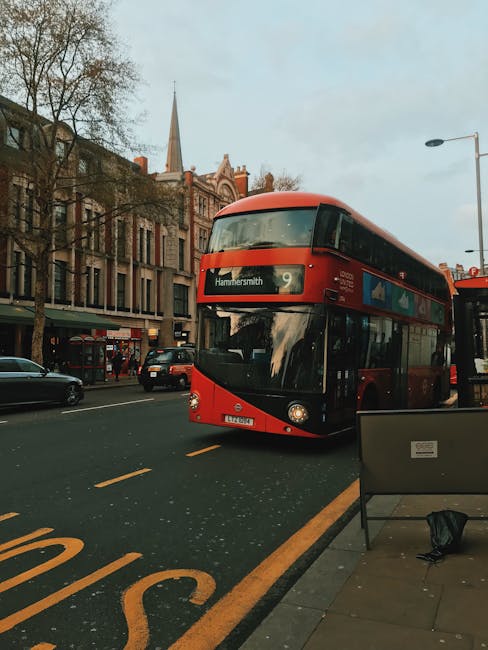
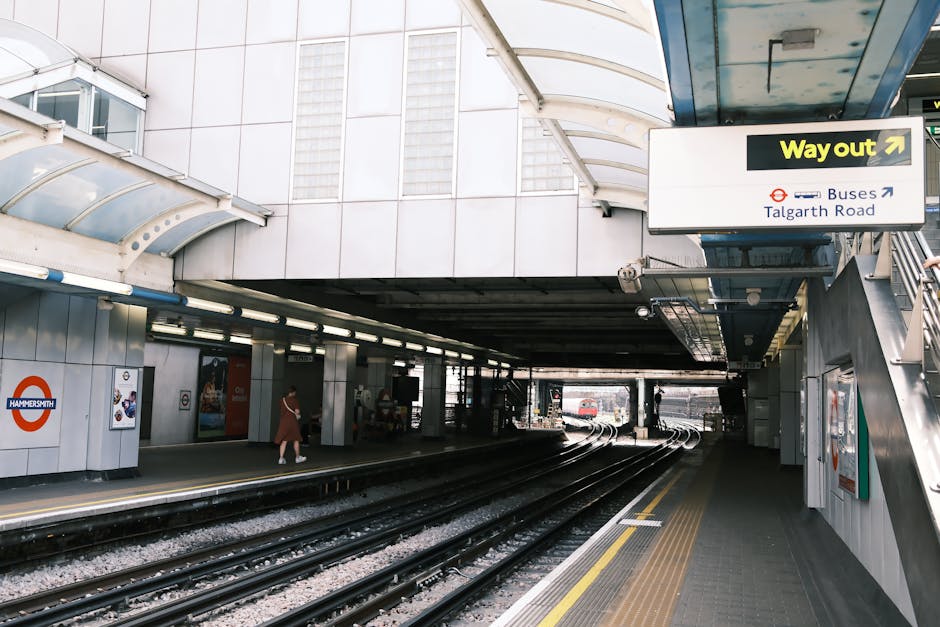
Moving home or office in Hammersmith can be straightforward on paper, then suddenly turn into a puzzle on the day. A van is booked, the boxes are ready, and then you realise the lift is tiny, the street is busy, the parking bay is occupied, or the front door opens onto a narrow staircase that seems designed by someone who disliked furniture. That is exactly why understanding common access problems for Hammersmith removals and solutions matters before moving day arrives.
In a busy part of West London, access issues are rarely dramatic on their own. It is the combination that causes trouble: tight roads, limited stopping space, controlled parking, basement flats, shared entrances, and unpredictable traffic. The good news? Most of these problems can be managed with decent planning, a realistic vehicle choice, and a move plan that matches the property rather than fighting it.
This guide walks through the most common access difficulties, what they mean in practice, and how to handle them without turning moving day into a minor catastrophe. You will also find a checklist, a comparison table, and practical steps you can use whether you are moving from a flat, house, or office.
Expert summary: Access problems are usually not "moving company problems" or "customer problems" on their own; they are planning problems. The best moves in Hammersmith start with an honest look at the property, the street, and the vehicle, not just the inventory.
For anyone comparing moving options, it may also help to look at man and van services, flat removals, house removals, or office removals depending on the type of property and the level of access you are dealing with.
Table of Contents
- Why common access problems in Hammersmith removals matter
- How access planning works in a real move
- Key benefits and practical advantages
- Who this is for and when it makes sense
- Step-by-step guidance
- Expert tips for better results
- Common mistakes to avoid
- Tools, resources and recommendations
- Law, compliance, standards, or best practice
- Options, methods, or comparison table
- Case study or real-world example
- Practical checklist
- Conclusion
- Frequently asked questions
Why Common access problems for Hammersmith removals and solutions Matters
Access affects almost everything about a move: the time needed, the team size, the vehicle choice, the level of packing protection, and whether a move finishes calmly or in a rush. In Hammersmith, that matters even more because the area blends residential streets, busy main roads, flats above shops, period properties, and office buildings with awkward loading conditions. A move that would be easy in a suburban cul-de-sac can become much trickier here.
The biggest issue is delay. If a removal team cannot park near the entrance, they spend longer carrying items. If a lift is out of order, heavy items may need to travel several flights of stairs. If a van is too large for the street, the crew may have to park farther away and shuttle items by hand. None of this is impossible, but it changes the shape of the day.
Access problems also create avoidable risk. Longer carries increase the chance of bumps, scrapes, and fatigue. Narrow stairwells make sofas and wardrobes harder to manoeuvre. In the rain, a wet pavement can make cardboard boxes more vulnerable too. Let's face it, nobody wants to wrestle a mattress around a parked car while other drivers are waiting behind them.
That is why early access checks are not a nicety. They are part of good moving practice, much like using the right boxes or deciding whether you need packing and boxes before move day. A careful access plan can save time, reduce stress, and make the whole move feel less chaotic.
How Common access problems for Hammersmith removals and solutions Works
Access planning starts with one simple question: how will the items move from the property to the vehicle? The answer is rarely just "through the front door." It usually includes several small steps, and each one can introduce a problem.
Step 1: Identify the route from room to street
Look at the actual carrying route, not just the address. Is there a lift? Is it usable on moving day? Are there stairs, turns, fire doors, or a shared hallway that will get busy? A sofa that fits the room may still be awkward if it needs to pivot through a tight landing.
Step 2: Check street access and parking
Hammersmith streets can be tight, active, and unforgiving at peak times. If the van cannot stop close to the property, the team may need a longer carry route. That does not automatically mean the move will fail, but it may affect timing and labour. Even a difference of a few doors can matter when you are carrying awkward furniture.
Step 3: Match the vehicle to the site
It is a mistake to assume the biggest truck is the best choice. Bigger is not always better. In some streets, a compact removal van is easier to position than a large vehicle, especially where access is limited or loading needs to happen quickly.
Step 4: Protect the property and the items
Once the route is known, the team can prepare the right protection: blankets, straps, trolley equipment, floor coverings, and, when required, additional hands. This is where experience really shows. A good crew reads the property quickly and adjusts as they go.
Step 5: Build in a fallback plan
Truth be told, no move is perfect. A neighbour may park in the loading space. A lift may pause. Traffic may bite. A practical mover will have a fallback, such as staging items indoors, using a different entrance, or splitting the load into smaller runs.
If you are moving a business and access feels especially uncertain, it can be worth reviewing commercial moves and office relocation services as part of planning the move around working hours, building rules, and loading access.
Key Benefits and Practical Advantages
Getting access right does more than reduce hassle. It changes the entire tone of the move.
- Less waiting time: The team spends more time moving and less time problem-solving on the pavement.
- Lower physical strain: Shorter carries and clearer routes reduce pressure on everyone involved.
- Better protection for furniture: A good route reduces knocks on bannisters, walls, and door frames.
- More accurate pricing: When the access picture is clear, the quote is usually more realistic.
- Fewer surprises: Everyone knows what to expect, which makes the day feel calmer.
- Smarter vehicle choice: The right vehicle often matters more than people think.
There is also a planning benefit that tends to be overlooked: access planning helps you decide what should be moved, stored, dismantled, or packed differently. For example, if a wardrobe will not clear the stair turn, you can dismantle it ahead of time rather than discovering the issue at the landing. That one small decision can save a very long morning.
When a move involves temporary delays or a gap between homes, storage can also make access easier by reducing the amount of furniture that needs to move in one go.
Who This Is For and When It Makes Sense
This topic is relevant for almost anyone moving in or out of Hammersmith, but some people will benefit more than others.
Flat movers
Flats often bring the most access headaches: stairs, narrow corridors, small lifts, and shared entrances. If you are arranging a move from a top-floor apartment, access planning is not optional. It is the move.
House movers
Houses can be easier in some ways, but older Hammersmith properties often have narrow hallways, split-level stairs, or limited front garden space. Even a house move can become fiddly if the entrance is tight or the street has poor stopping space. That is where experienced house removals support becomes useful.
Students and shared households
Student moves are often smaller, but the access is not always simple. Think busy stairwells, landlord rules, and last-minute packing. A compact move plan can make a surprising difference here.
Office and business relocations
Offices tend to be governed by building management rules, fixed time slots, and loading bay limitations. If the route from lift to van is blocked, even a small office relocation can take far longer than expected.
People with bulky or awkward items
Pianos, sideboards, big sofas, and glass-fronted cabinets all magnify access problems. If the item barely clears the doorway, the move needs a careful plan and often specialist handling. For those situations, piano removals and furniture removals may be more suitable than a basic load-and-go service.
It makes sense to think about access early if you live on a busy road, in a mansion block, in a converted terrace, or anywhere the van cannot simply park outside the front door. Those are the moves where a little planning pays back fast.
Step-by-Step Guidance
Here is a practical way to handle access issues before moving day. Nothing fancy. Just the stuff that works.
- Walk the route from room to van. Do it slowly and honestly. Measure door widths, note tight corners, and check stair turns. If you are thinking, "that might be a squeeze," it probably is.
- Inspect the street. Look for loading restrictions, busy times, and places where a van could reasonably stop. If parking is usually scarce, plan for it instead of hoping for the best.
- List the awkward items. Sofas, mattresses, desks, beds, mirrors, and appliances all need extra thought. Note anything oversized, fragile, or unusually heavy.
- Check the lift or shared access. If your building has a lift, confirm whether it will be working on move day and whether booking is required. If there is no lift, assume the stairs will be the main challenge.
- Decide what needs dismantling. Beds, wardrobes, and some desks are easier to move in parts. Do not leave this until the hour before the van arrives.
- Choose the right vehicle size. A smaller van may be better for tight access, while a larger load may justify a bigger vehicle or multiple trips. The best option depends on the actual site, not just the volume of items.
- Tell the mover everything upfront. Be specific. "Third floor, no lift, narrow stairwell, loading bay 40 metres away." Those details help more than a vague "access is a bit awkward."
- Prepare protective materials. Floor coverings, blankets, tape, and straps can reduce damage where the route is tight or shared with neighbours.
- Have a backup for parking or entry. If the first plan fails, know your second entrance, second parking option, or nearest safe waiting point.
If you are also packing from scratch, it helps to combine access planning with packing and unpacking services so the move is organised from end to end rather than handled in pieces.
Expert Tips for Better Results
Some of the best access fixes are plain common sense, but that does not make them obvious when you are busy. A few small decisions can change the day dramatically.
Measure the awkward bits, not just the rooms
People often measure bedrooms and forget the landing, the doorway, or the bend at the top of the stairs. Measure the tightest point. That is the number that matters. A wardrobe that fits on paper can still get stuck at the turn. Not ideal, obviously.
Time the move carefully
In Hammersmith, moving early in the day can sometimes mean easier loading and less traffic pressure, though there is no magic hour that works for every street. The point is to avoid building your move around the busiest part of the day if you can help it.
Use labels that reflect access
Mark boxes by room, but also by priority. If the first items off the van must go straight upstairs or into a specific office zone, label them clearly. This saves a lot of confusion when the team is carrying things through narrow spaces.
Do not overload the first load
A crammed first trip can make access issues worse, especially if the route is awkward. Smaller, controlled loads are often easier to move safely than one huge push.
Check building rules before moving day
Blocks and managed properties sometimes have quiet hours, lift booking rules, or protection requirements for walls and floors. It is far better to know this in advance than to learn it when someone is already on the stairwell with a sofa.
For busy moves with a fixed deadline, same-day removals can be helpful, but only if access has been thought through. Speed is useful; speed plus confusion is not.
Common Mistakes to Avoid
Most access problems get harder because of avoidable mistakes. The good news is that these are easy enough to sidestep once you know what to look for.
- Assuming the van can park outside. In Hammersmith, that is often the first assumption to go wrong.
- Ignoring stair width and landing turns. This is how sofas end up paused halfway down a staircase, everyone pretending the angle will magically improve.
- Forgetting about lift restrictions. Some lifts are small, slow, or booked by the minute.
- Not mentioning access problems until the move starts. By then, your options are limited.
- Booking the wrong vehicle size. A van that is too large can be harder to position, while one that is too small creates extra trips.
- Leaving dismantling too late. Beds and wardrobes are rarely easier to take apart under pressure.
- Not protecting floors and walls. A short carry can still cause damage if the route is tight.
One mistake people make surprisingly often is treating access issues as a "minor detail." It is never just a detail. It is part of the move plan, full stop.
Tools, Resources and Recommendations
You do not need a van full of specialist gadgets to make a move go well, but a few simple tools and habits are worth having.
- Tape measure: Useful for checking doorways, stair turns, and furniture dimensions.
- Notebook or phone notes: Write down access details, parking options, and any building rules.
- Furniture blankets and straps: Good for protection and control on awkward routes.
- Dollies or sack trucks: Helpful for heavier items where the route allows it.
- Labels and markers: Make it easier to prioritise items when access is tight.
- Plastic covers or floor protection: Useful if weather, mud, or repeated traffic through common areas is likely.
On the planning side, a quote page such as pricing and quotes is useful when you want to compare your move requirements with the likely time and labour involved. It is often the access details that shape the final estimate.
If you are moving a work setup, office removals and removal services can help align the move with building access, equipment handling, and the practical order of loading.
Law, Compliance, Standards, or Best Practice
Access planning is not just about convenience. There are safety and legal expectations around moving goods, parking, loading, and protecting people and property. The exact details depend on the location and the property, but the general best practice is clear: keep the route safe, do not obstruct others unnecessarily, and make sure the load is handled in a way that reduces risk.
For moves in managed buildings, there may be local rules from the building itself, landlord, or managing agent. These rules can cover lift use, floor protection, moving times, and the need to reserve loading space. They are not always formal law, but they matter in practice because ignoring them can delay or complicate the move.
From a safety point of view, good movers should take reasonable care with heavy lifting, stable stacking, and clear walkways. That is one reason professional removal teams will ask detailed questions about stairs, lifts, and parking. They are not being nosy. They are trying to prevent avoidable strain and damage.
It is also sensible to check service terms, insurance information, and any relevant policies before booking. If you want reassurance on the practical side of that, insurance and safety, health and safety policy, and terms and conditions are worth reading because they explain expectations clearly.
For items you no longer need, planning disposal responsibly can also reduce clutter on moving day. That is where recycling and sustainability and furniture pick up can be part of a smoother move, especially if access is already tight and you want fewer items to carry.
Options, Methods, or Comparison Table
Different access issues call for different methods. Here is a simple comparison that can help you think it through.
| Access situation | Best practical approach | Why it helps | What to watch for |
|---|---|---|---|
| Ground-floor flat with tight street parking | Compact van, short carry plan, loading timed off-peak | Easy manoeuvring and fewer delays | Parking competition and delivery traffic |
| Top-floor flat with no lift | Extra labour, lighter boxes, dismantled furniture | Reduces strain and stair congestion | Fatigue and damage on corners |
| Managed apartment block with booked lift | Pre-booked lift slot and floor protection | Keeps the move within building rules | Delays if the slot is missed |
| Office in a busy mixed-use building | Structured move schedule and building liaison | Limits disruption to staff and neighbours | Access windows may be short |
| Large house with narrow hallway | Dismantling plan and furniture route check | Makes bulky items manageable | Door frames and stair turns |
There is no one-size-fits-all option. Sometimes a smaller vehicle and more careful carrying plan beat a bigger truck. Sometimes the answer is just better timing. And sometimes, to be fair, it is a matter of accepting that one sofa is not going to enjoy the staircase no matter how optimistic everyone feels.
If you are comparing services, removal van and man with van options are often worth considering for tighter access or smaller loads, while larger properties may suit removal truck hire or a more full-service move.
Case Study or Real-World Example
A typical Hammersmith move might look like this: a two-bedroom flat on an upper floor, a narrow stairwell, and street parking that is usually taken by lunchtime. On paper, it sounds manageable. In practice, it needs a plan.
In one common scenario, the removal team arrives early because the street is quieter before the school run and commuter traffic really builds. They park as close as possible, then start with the smaller boxes and disassembled items. The sofa is left until the route is clear and enough people are ready to guide it. A neighbour's car makes the approach a bit tighter than expected, so the team switches to a slower carry rather than forcing the angle. No drama. Just adaptation.
That is the real point. Access problems rarely disappear. They are managed. The move still gets done, but the team uses the route, time, and vehicle in a way that suits the building rather than fighting it.
For student moves or smaller shared flats, this approach is especially useful. If you only have a bedroom's worth of items, the right plan may be much simpler than a full household move, which is why student removals can be a sensible fit for compact loads and awkward stair access.
Practical Checklist
Use this checklist a day or two before the move. It takes ten minutes, maybe fifteen if you are being thorough. Worth it.
- Measure doorways, stair turns, and any lift opening that matters.
- Confirm parking or loading options near the property.
- Check whether the lift is working and whether it needs booking.
- List the heaviest and most awkward items separately.
- Decide which furniture should be dismantled in advance.
- Tell the mover about narrow hallways, shared entrances, or basement access.
- Prepare floor protection, blankets, and straps if needed.
- Label boxes clearly, especially for rooms with restricted access.
- Plan an alternative route if the main entrance becomes blocked.
- Keep keys, building codes, and contact numbers easy to reach.
If you want to keep the day as smooth as possible, it also helps to confirm practical details with the team early and review your booking information carefully. A little admin now saves a lot of juggling later.
Conclusion
Common access problems for Hammersmith removals and solutions are really about one thing: matching the move to the property in front of you. Tight streets, awkward staircases, limited parking, and small lifts are all normal in London. They are not a sign that the move will be difficult beyond repair. They just mean the move needs a smarter plan.
Once you know the route, the vehicle, the furniture, and the timing, most access issues become manageable rather than stressful. And if something changes on the day, a calm, experienced team can usually adjust without turning the move into a headache. That part matters more than people think.
Get a free quote today and see how much you can save.
For a company background and wider service information, you may also want to review about us and contact us if you are ready to talk through your move in detail. Sometimes a five-minute conversation clears up the whole picture.
Move well, plan early, and give yourself a little breathing room. It makes all the difference.
Frequently Asked Questions
What are the most common access problems for Hammersmith removals?
The most common issues are narrow streets, limited parking, small lifts, long stair carries, shared entrances, and awkward furniture angles. In Hammersmith, those problems often appear together rather than on their own.
How do I know if my property has difficult access?
If a van cannot stop close to the entrance, if the lift is small or unreliable, or if large furniture needs to turn sharply on stairs, access is likely to be tricky. A quick walk-through usually makes that clear.
Should I tell the removals team about access problems before booking?
Yes, absolutely. The earlier they know, the better they can plan vehicle size, labour, timing, and any protection needed for the building. Leaving it until the day often causes delays.
Is a bigger van always better for a Hammersmith move?
Not necessarily. A larger van can be harder to park or position in a tight street. Sometimes a smaller vehicle is quicker and safer because it suits the access better.
What if the lift is out of order on moving day?
That usually means the move becomes a stairs-only job, which may take longer and require more care. If the lift is important to the plan, let the movers know immediately so they can adapt.
Can access problems make my move more expensive?
They can, because difficult access may require more time, more labour, or a different vehicle plan. The exact impact depends on the property and how much extra handling is involved.
Do I need to dismantle furniture for a tight stairwell?
Often, yes. Beds, wardrobes, and some desks move more safely in parts. If you are unsure, it is usually smarter to dismantle in advance rather than gamble on the stairwell.
How can I make parking easier on moving day?
Check the road early, avoid peak times where possible, and share any parking or loading restrictions with the removals team. If there is a loading bay or reserved space, confirm how it works before the move.
Are access problems a bigger issue for flats than houses?
Usually, yes. Flats often have stairs, lifts, and shared entryways, which can add complexity. But some Hammersmith houses also have narrow hallways or tight front access, so it depends on the property.
What should I pack differently if access is difficult?
Pack heavier items into smaller boxes, label fragile items clearly, and avoid overfilling boxes that need to travel up or down stairs. Smaller, more manageable boxes are usually safer than big heavy ones.
Do office moves face the same access issues as home moves?
Some do, but offices often have added rules from building management, loading schedules, and security procedures. That makes planning even more important, especially if the move has to happen outside normal hours.
How far in advance should I assess access for a Hammersmith removal?
As early as you can, ideally when you first request a quote. Access details affect planning, and a quick early check can prevent a lot of stress later on.